

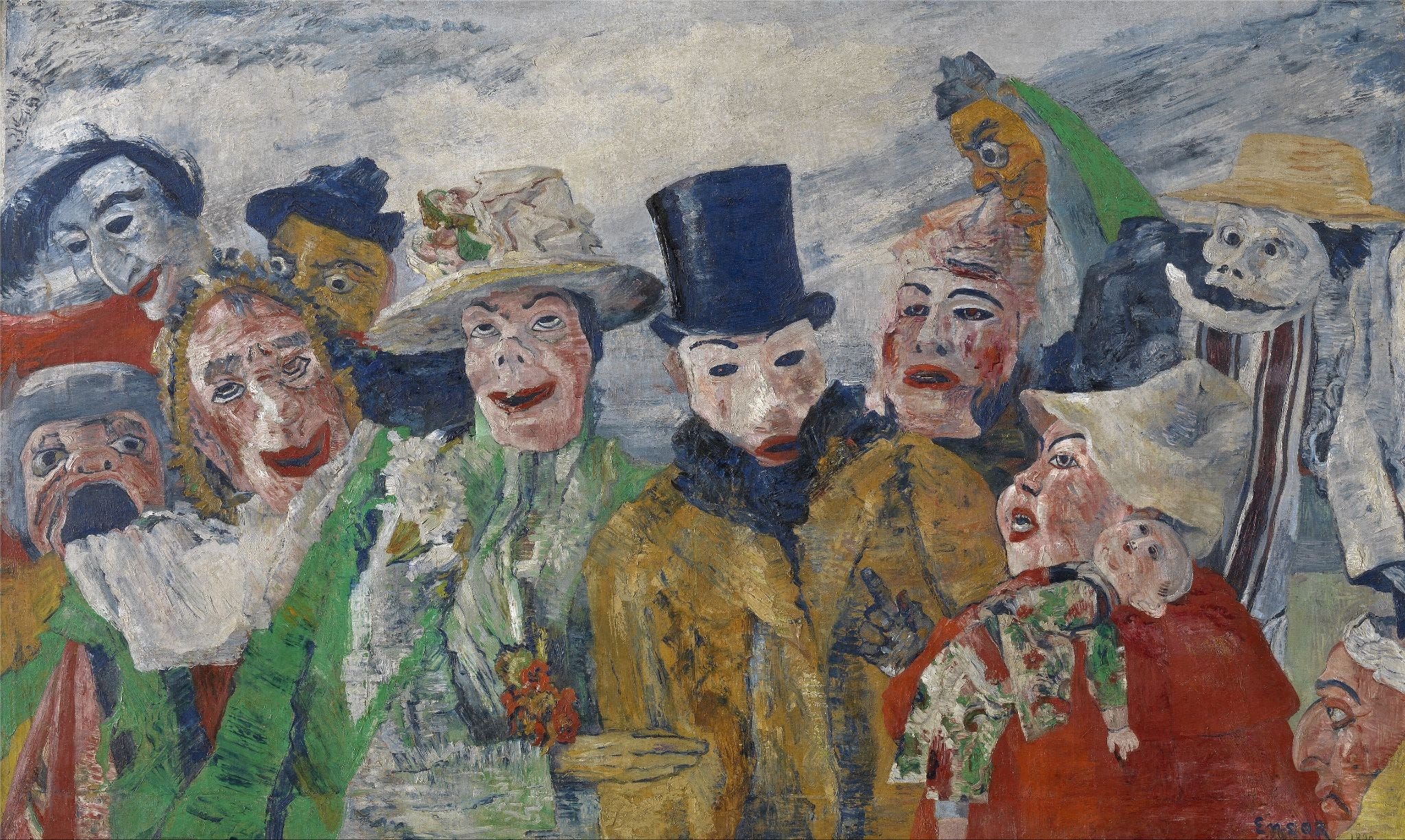
Somewhere towards the beginning of 2025, in an attempt to break myself out of some unproductive habits, I finally deleted the Twitter app from my phone. Unfortunately, my doomscrolling habit seems to have transferred without interruption to Substack. Doomscrolling on Substack feels ever so slightly more virtuous, so I count it as a small victory.
Part of the reason it feels better to doomscroll on Substack is, in large part, because the Substack algorithm is much more intent on sending me articles about writing than politics, and for that I am very grateful.
Still, after a while, even these articles can start to feel monotonous. Once you’ve read ten “why does AI write like that?” articles, you feel as if you’ve heard it all before.1
I realize that it is the height of hypocrisy for me to bewail the number of articles analysing AI writing style, given that I’ve contributed to that number, both directly and indirectly, as in my defence of the humble em-dash against its cultured despisers.
But I think the discourse around AI writing has become a bit stuck. It’s been nearly four years, and we’re still talking about the same, relatively superficial characteristics of AI writing. But the quirks of AI generated text go far beyond the now-famous verbal tics like “quietly”, abuse of em-dashes, and compulsive lists of three; you can pry those tricks from Claude or ChatGPT’s grasp and still something remains.
I call it the “AI accent”; you may prefer something alliterative, like the mark of the Machine. Whatever you call it, it gets on many people’s nerves. The question is why?
This is where linguistics can help us. Over the last couple years, a body of research has emerged that examines what makes AI writing so unique — and may help us to scientifically answer the question “what makes AI writing so annoying?”.
Such is the hope, anyway. I recently read a paper that makes me believe that hope is justified. The paper in question is called Why is AI-generated language so hard to understand? — I’ll call it Clark et al. (2026) from here on. What it showcases are the tricks LLMs can’t resist.
Not just LLMs though — I, a human, used two of them in the previous sentence: the use of showcase as a verb, and the omission of that in tricks that LLMs can’t resist.
Just as the more superficial techniques I identified last year all have historical precedent, the “AI accent” is made up of things humans do too. It’s just a question of proportion. Put another way, English is English, whether spoken with a human or an AI accent.
So I thought it would be fun to go through the techniques that Clark et al. (2026) identify and explain them in their linguistic and historical context.2 And further, I’d like to do a bit of speculation of my own, with an aim of explaining why the AI accent is so grating.
So, in short, yes: there is an “AI accent”. But the things that make it special are harder to pin down than individual word choice. Instead, they’re hidden in the grammar, so you’ll need a little bit of background in linguistics to understand how they work.
I’ve picked out four quirks from the paper that stood out to me. Here’s how each of them works linguistically and why they produce such a negative reaction in readers.
